
Preventing Roof Collapse During Heavy Accumulation
Roof Snow Removal in Cloquet for preventing structural overload from winter snow accumulation
Lil Dobos provides roof snow removal in Cloquet when accumulated snow creates weight loads that risk structural damage. Unremoved snow builds up layer after layer throughout Minnesota winters, each storm adding pounds per square foot that rafters and trusses weren't designed to hold indefinitely. When snow depth exceeds safe thresholds, the weight can cause roofs to sag, crack, or in extreme cases, collapse inward entirely.
This service addresses the mechanical stress that snow mass places on roof structures, particularly during extended cold periods when snow doesn't melt between storms. The combination of wet snow layers, ice dams, and fresh powder can create loads exceeding a thousand pounds per square foot on flat or low-slope roofs. Northern Minnesota sees this pattern regularly during January and February cold snaps.
Schedule a roof assessment after significant snowfall to determine whether current accumulation requires removal.
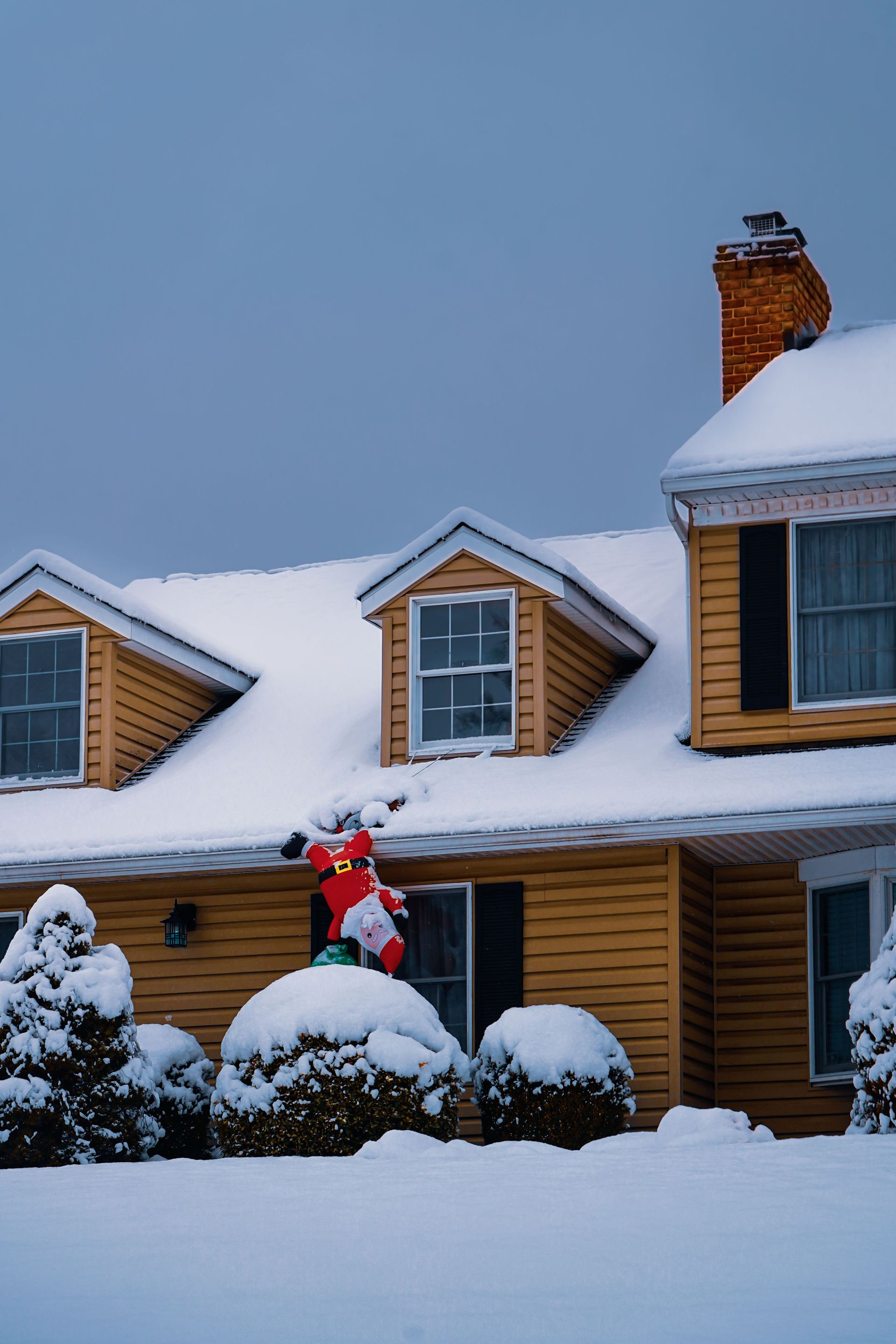
What Happens When Snow Load Exceeds Capacity
The removal process evaluates snow depth, density, and distribution across the roof surface before beginning work. Wet, compacted snow weighs significantly more than fresh powder, and ice layers add concentrated weight in specific areas. Proper removal reduces weight systematically without damaging roofing materials or creating unbalanced loads that shift stress to weaker sections.
Once snow is removed, you notice ceiling surfaces return to level positions if sagging had begun, and cracking sounds from stressed lumber stop. The roof structure stabilizes at its designed load capacity, and interior spaces beneath the roof no longer show signs of stress like popping nails or separating seams. Gutters and eaves also release from the downward pressure that bent or pulled them away from fascia boards.
The service focuses on snow removal only and does not include ice dam remediation or structural repairs if damage has already occurred. Timing matters because removing snow after a roof begins failing is more dangerous and complex than preventing overload in the first place.
Questions Homeowners Ask Before Winter Service
Winter roof maintenance raises practical concerns about timing and safety, especially for property owners in Cloquet dealing with seasonal snow patterns that differ significantly from year to year.
How do I know when snow needs to be removed?
You look for visible sagging in the roofline, creaking or popping sounds from the attic, doors that suddenly stick in their frames, or cracks appearing in drywall ceilings. Snow depth alone isn't always the indicator—density and water content matter more than inches of accumulation.
What happens if snow isn't removed during heavy winters?
The roof structure bears increasing load with each storm, and if the weight exceeds what the framing can support, the roof can buckle inward or collapse completely. This typically happens suddenly rather than gradually, often when additional weight from rain or wet snow is added to existing accumulation.
When is the best time to schedule removal?
Removal should happen before snow depth exceeds two feet on sloped roofs or one foot on flat roofs, though wet snow requires earlier action. Waiting until you see structural stress signs means the roof is already compromised.
How is snow removed without damaging shingles?
Removal tools are designed to lift and push snow off the roof surface without scraping or gouging the shingles underneath. Work begins from the roof edge and moves upward in sections to avoid creating unbalanced weight distribution during the process.
What should I do to prepare my property?
You clear areas below the roof edge where snow will fall, move vehicles and outdoor equipment away from the house, and ensure downspouts are directed away from foundation walls to handle the meltwater volume once temperatures rise.
Lil Dobos monitors winter weather patterns and snow density throughout the season to help property owners determine when removal becomes necessary. Request an evaluation after storms that deposit more than eight inches of wet snow or when total accumulation exceeds eighteen inches.