
Sites Prepared for Construction Work
Land Clearing in Willow River for properties preparing for new builds or complete reconstructions
When your property needs vegetation removed, stumps extracted, and ground leveled before construction begins, you're looking at work that determines whether the build site drains correctly and whether equipment can access the area safely. Lil Dobos handles land clearing in Willow River for properties transitioning from wooded or overgrown conditions to construction-ready sites. This service matters when you're replacing an existing structure or starting a custom build where natural terrain won't support foundation work or utility installation.
The process removes trees, brush, and root systems that interfere with excavation, grades the site to establish proper drainage away from the building footprint, and removes debris that would complicate foundation installation. Stump removal goes deep enough to prevent future settling or interference with underground utilities.
Arrange a site evaluation to assess vegetation density and discuss grading requirements for your planned construction..
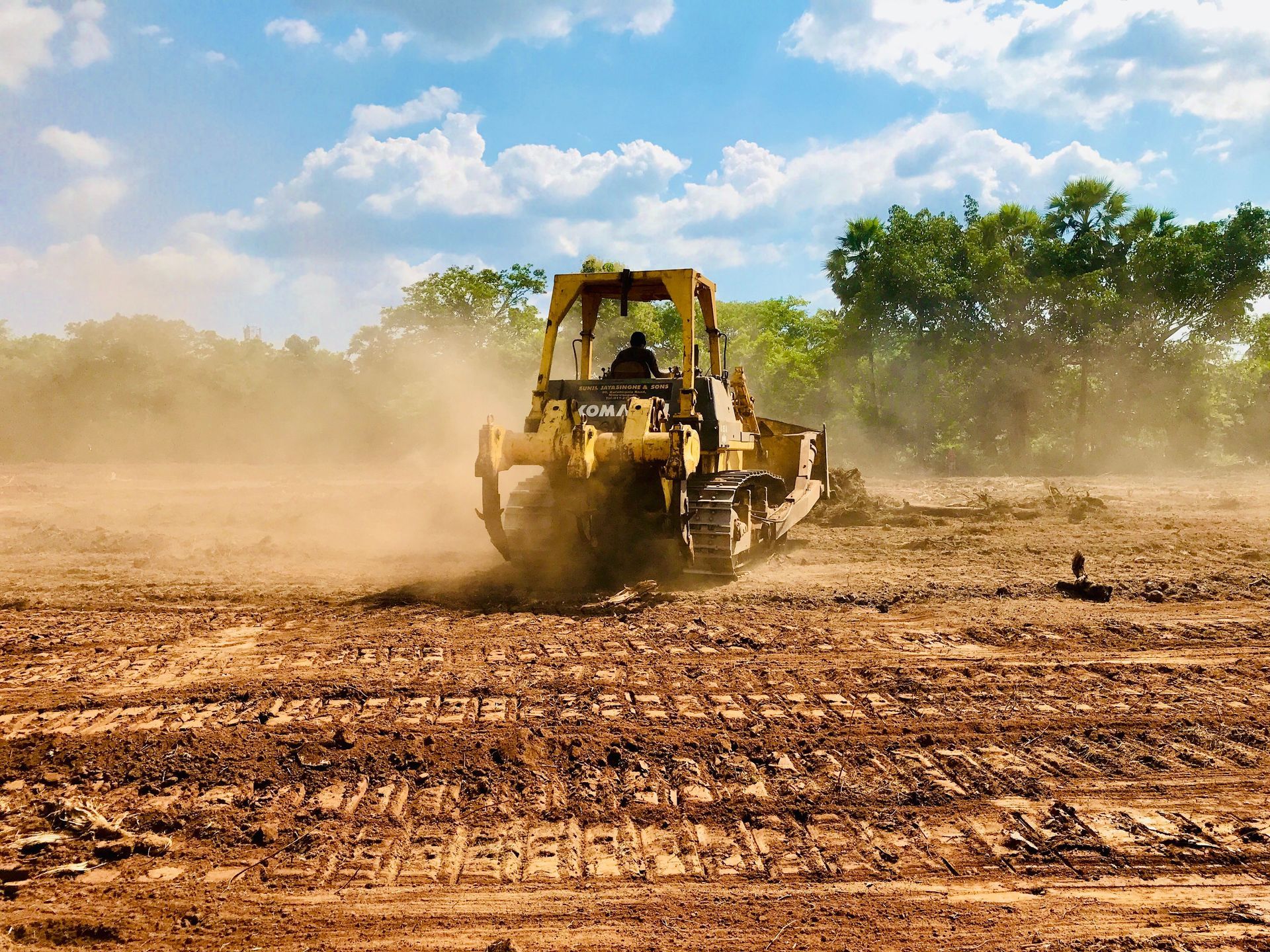
What Changes After Clearing Completes
Clearing work starts with removing standing trees and brush, followed by stump grinding or extraction depending on how deep root systems extend and what the site will be used for. Grading establishes elevations that direct surface water away from where the structure will sit, and soil compaction is verified in areas that will support foundations or driveways.
After clearing, you'll see a level site with clean sight lines for layout work, access routes for construction equipment that won't sink into soft ground, and drainage patterns that prevent water from pooling where excavation will occur. The property transitions from unusable terrain to a defined building pad ready for foundation contractors.
Site conditions in Willow River often include clay-heavy soils that hold moisture and root systems from mature trees that extend well beyond the visible canopy, both of which affect how clearing is approached. Removal includes hauling debris off-site rather than burning or burying material that could interfere with future work, and final grading accounts for frost heave patterns common in this climate..
Common Questions About This Service
Property owners preparing for construction work need clarity on what clearing involves and how site conditions affect the process.
What happens to trees and stumps after removal?
Material is either hauled off-site for disposal or processed into mulch depending on volume, and stumps are ground below grade or fully extracted based on what foundation work requires in that location.
How does soil type affect clearing work?
Clay soils common in Willow River require different grading techniques than sandy soils because they compact differently and drain more slowly, affecting how the site is prepared for construction equipment access.
When should clearing happen relative to construction start dates?
Clearing is scheduled to finish before frost sets in if construction will begin the following spring, allowing the site to settle over winter and revealing any drainage issues before excavation starts.
What determines how much grading is necessary?
Existing slope, drainage patterns, and the elevation requirements of your planned structure all dictate how much soil needs to be moved to create a level building pad with proper water runoff.
How is the property marked before clearing begins?
Boundary lines are verified to prevent clearing onto adjacent properties, and areas to preserve such as specific trees or natural features are flagged before equipment enters the site.
Lil Dobos prepares sites so construction can proceed without delays caused by poor access, unstable ground, or drainage problems that should have been addressed during clearing. Request a site assessment to review your property's current conditions and discuss the scope of clearing needed for your rebuild or new construction project.